

 EN
EN
Kaixin, przedsiębiorstwo high-tech specjalizujące się w badaniach i rozwoju, produkcji i sprzedaży polimerowych zaworów rurociągowych.
Zawór zwrotny CPVC: bariera odporna na korozję w jednym kierunku
Praktyczny podręcznik dotyczący specyfikowania, instalowania i konserwacji zaworów zwrotnych CPVC w środowisku agresywnym.
Linia transferu chemicznego może wyglądać idealnie zdrowo aż do momentu, w którym tak nie jest. Pompa dozująca wyłącza się o drugiej w nocy, ciśnienie w układzie przednim zanika, a kolumna kwasu w rurze tłocznej spływa z powrotem przez pompę pracującą na biegu jałowym do zbiornika, który nigdy nie był przeznaczony do jego przyjęcia. Zakład traci partię, wymienia skorodowaną głowicę pompy i odkrywa, że mały zawór, który powinien chronić linię, kosztuje ułamek szkód spowodowanych jego brakiem.
Właściwą odpowiedzią nie jest lepszy harmonogram pomp. Jest to zawór zwrotny CPVC umieszczony w punkcie tłoczenia — prosta, samoczynna zasuwa jednokierunkowa, która otwiera się przy przepływie do przodu i zamyka w momencie próby odwrócenia przepływu. Określony celowo, przewyższa otaczającą instalację rurową i nie żąda prawie niczego w zamian.
Co robi zawór zwrotny CPVC
Zawór zwrotny, zwany także zaworem zwrotnym, to jedyny zawór w linii technologicznej, który działa bez udziału człowieka lub sygnału elektrycznego. Sam płyn jest operatorem: ciśnienie skierowane do przodu unosi element zamykający — dysk, kulkę lub sprężynowy korek — i umożliwia przepływ. Kiedy prędkość spada lub odwraca się, element wraca na swoje miejsce i uszczelnia linię. Ten sam składnik pojawia się w przewodach tłocznych pomp, płozach dozujących, obwodach filtracyjnych i wszędzie tam, gdzie przepływ wsteczny mógłby zanieczyścić wsad, opróżnić zbiornik lub odwrócić pompę.
Inżynierowie czasami traktują to jako proste akcesorium, ale liczy się mechaniczne zachowanie elementu zamykającego. Zrozumienie jak zawór zwrotny zamyka się wewnątrz rurociągu wyjaśnia, dlaczego orientacja, prędkość przepływu i spadek ciśnienia są danymi wejściowymi projektu, a nie refleksjami. Jedna zasada jest absolutna: zawór zwrotny to urządzenie zabezpieczające, a nie zawór regulacyjny. Nie dławi, nie izoluje ani nie reguluje. Zmuszona do pełnienia tej roli tarcza unosi się w pobliżu gniazda, drga i w ciągu kilku miesięcy zużywa swoje powierzchnie uszczelniające. Trzymaj go tak, jak robi to najlepiej, a będzie mógł spokojnie działać przez dziesięciolecia.
Zawór zwrotny nie reguluje przepływu. Chroni system przed konsekwencjami przepływu.
Dlaczego CPVC jest materiałem z wyboru
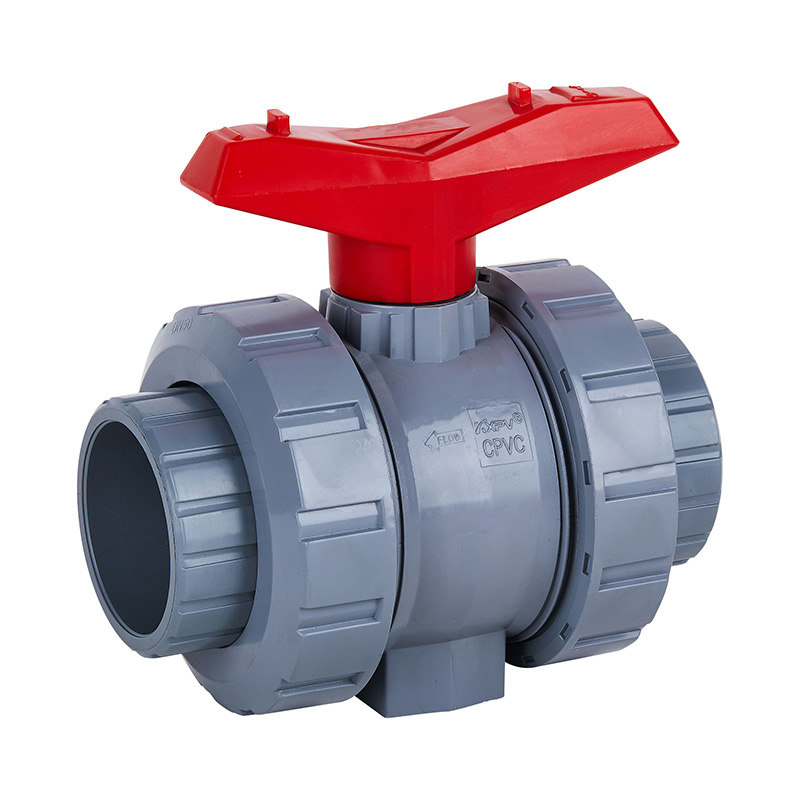
CPVC, oznaczony również jako PVC-C, to chlorowany polichlorek winylu. Dodatkowy chlor podnosi temperaturę odkształcenia cieplnego i poszerza zakres odporności chemicznej, dlatego zawór CPVC wytrzymuje ciągłą pracę w miejscach, w których standardowy PCV mięknie, i jest odporny na kwasy mineralne, roztwory żrące, solanki i wiele rozpuszczalników przemysłowych, które w ciągu kilku tygodni zaatakowałyby stal węglową.
Jest też zaleta strukturalna. Kiedy zawory, rury i złączki wykonane są z tego samego materiału, cała linia rozszerza się i kurczy razem podczas wahań temperatury, dlatego połączenia kołnierzowe i cementowane rozpuszczalnikiem wykazują znacznie mniejsze naprężenia różnicowe niż systemy z mieszanych materiałów. Pod względem kosztów CPVC plasuje się pomiędzy UPVC a materiałami premium: wyraźnie ma większe możliwości niż UPVC, znacznie poniżej ceny PVDF lub PPH. W praktyce ta równowaga sprawia, że CPVC jest domyślnym rozwiązaniem dla większości linii technologicznych powodujących korozję.
- PCV: ekonomiczny, odpowiedni do wody o temperaturze otoczenia i mediów lekko agresywnych.
- CPVC: praca ciągła do około 90–95°C przy wielu zastosowaniach, szeroka kompatybilność chemiczna; zrównoważony wybór dla linii przemysłowych.
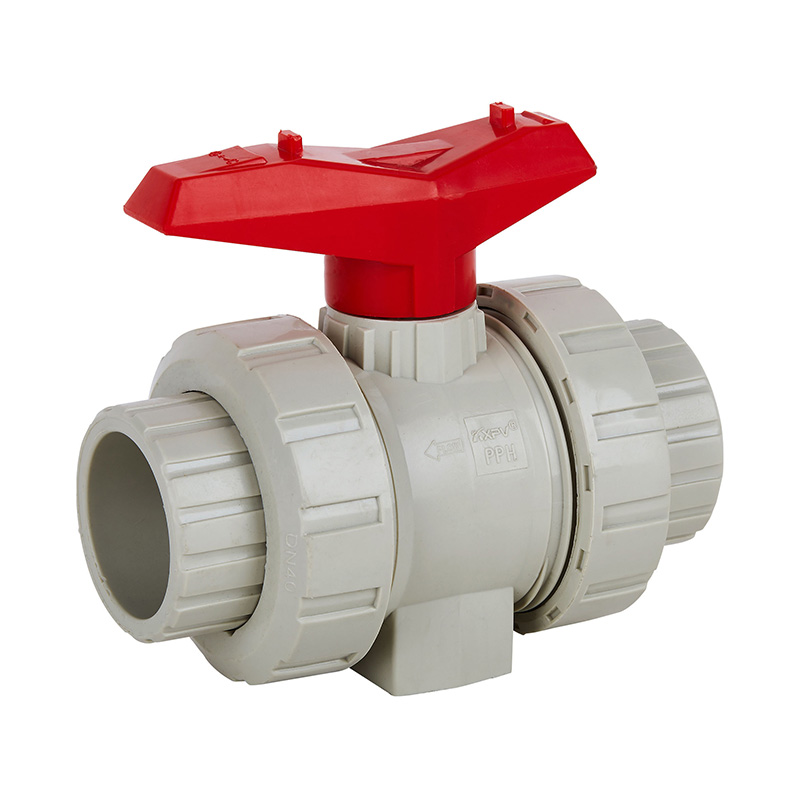
- PPH: mocny dla mediów organicznych i usług o wysokiej czystości; bardziej miękkie i elastyczne, za wyższą cenę.
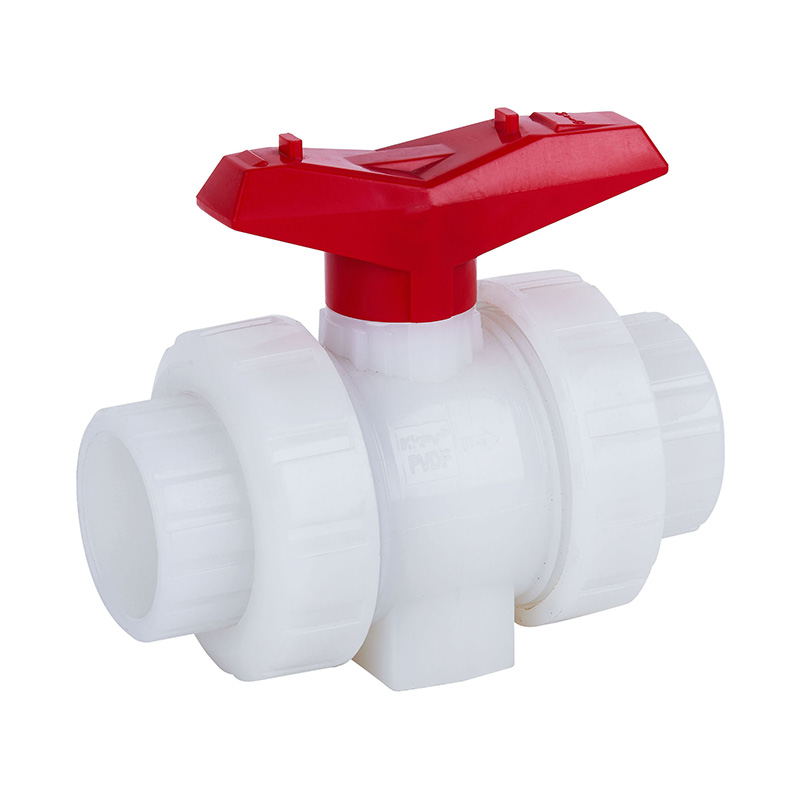
- PVDF: opcja premium dla bardzo agresywnych chemikaliów i wymagających wymagań czystości, przy najwyższych kosztach.
Główne rodziny projektowe
Zawory zwrotne do linii CPVC występują w pięciu rodzinach mechanicznych. Nazwa nawiązuje do elementu zamykającego i sposobu jego powrotu na swoje miejsce. Każda rodzina zachowuje się inaczej pod wpływem pulsacji, dużej prędkości i płynów niosących zawieszone cząstki.
Zawory zwrotne CPVC typu wahliwego
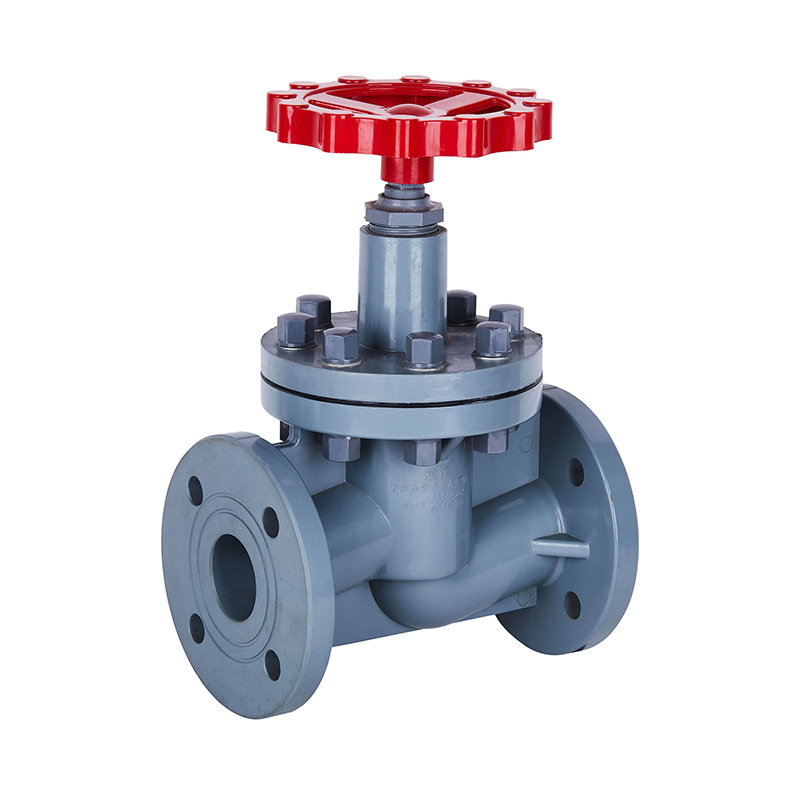
Kontrola wahadłowości wykorzystuje tarczę zawieszoną na zawiasach u góry otworu. Przepływ do przodu popycha dysk otwierając się jak drzwi; przepływ wsteczny powoduje upuszczenie go na siedzenie. Zapewnia najniższy spadek ciśnienia w grupie, ponieważ ścieżka przepływu pozostaje prawie prosta, dlatego jest pierwszym wyborem w przypadku rur o większych średnicach i pracy ciągłej. Kompromisem jest preferowany montaż poziomy i wolniejsze, delikatniejsze zamykanie, które pomaga zmniejszyć wstrząs hydrauliczny.
Zawory zwrotne kulowe CPVC
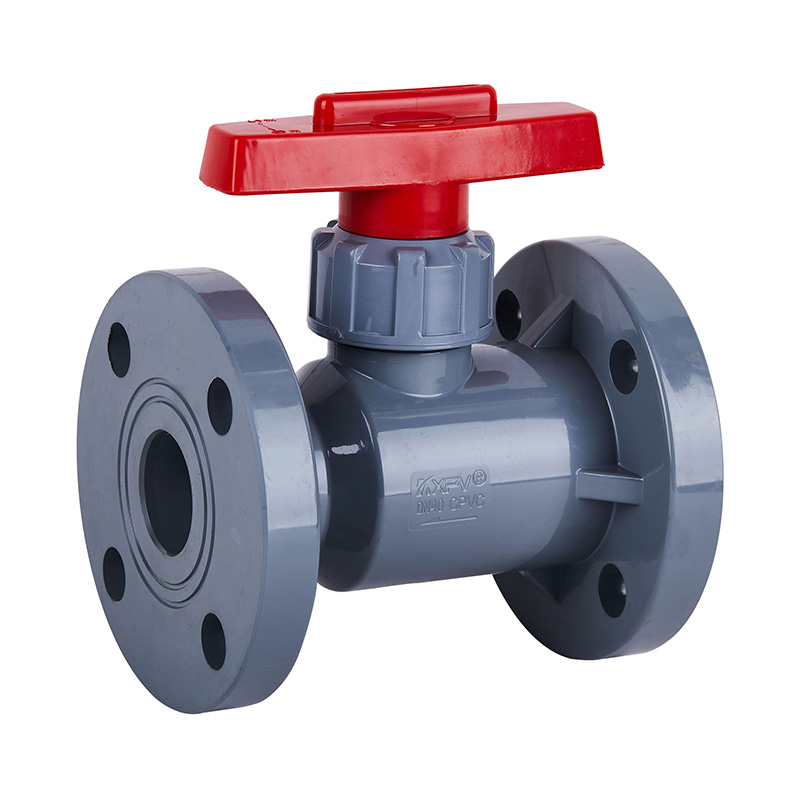
Podczas kontroli kuli kulista kula unosi się z gniazda pod ciśnieniem do przodu i jest cofana przez przepływ wsteczny. Kula niezawodnie uszczelnia, toleruje niewielkie ilości zawieszonych cząstek lepiej niż płaska tarcza, a kompaktowy korpus pasuje do ciasnych przestrzeni. W przypadku rurociągów CPVC w zakresie średnic od DN15 do DN100, gdzie prostota ma większe znaczenie niż najniższy możliwy spadek ciśnienia, najlepszym rozwiązaniem jest konstrukcja kulowa.
Sprężynowe zawory zwrotne CPVC typu podnośnikowego
Kontrola podnoszenia utrzymuje tarczę zamkniętą sprężyną. Aby otworzyć, przepływ do przodu musi pokonać siłę sprężyny; kiedy przepływ ustanie, sprężyna skutecznie osadza zawór, zanim jakikolwiek przepływ wsteczny zdąży się rozwinąć. Ponieważ sprężyna zamyka, zawór można zamontować w dowolnej pozycji. Ta rodzina produktów jest odpowiednia do zastosowań pulsacyjnych — pomp dozujących, systemów dozowania i linii z częstymi cyklami zatrzymania i rozruchu — gdzie zawór wahadłowy zamykany grawitacyjnie pozwalałby na cofanie się płynu pomiędzy skokami.
Projekty membran i płytek
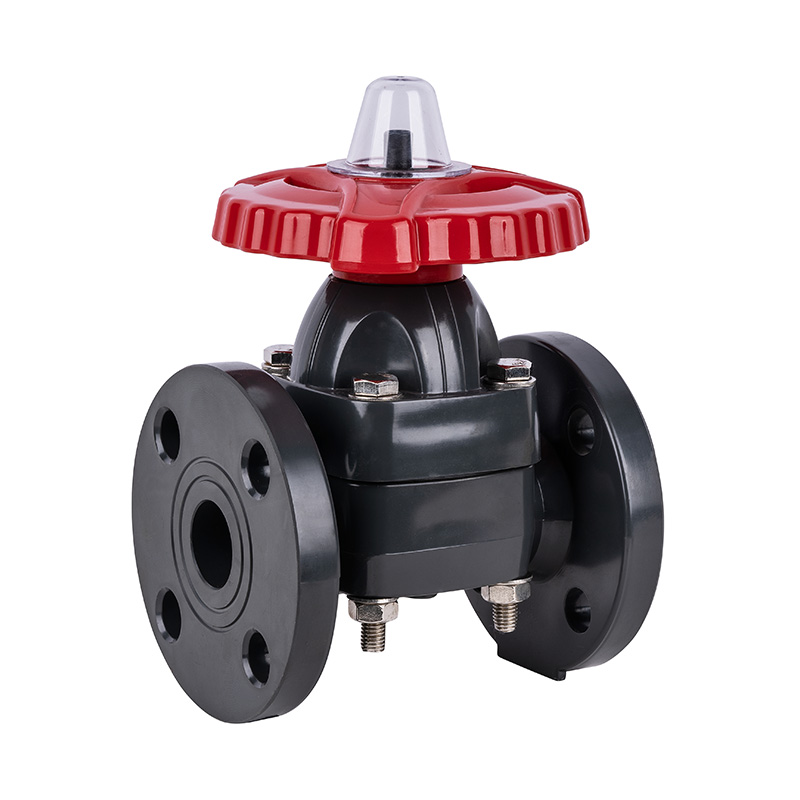
Kontrola membrany powoduje wygięcie membrany elastomerowej pod wpływem przepływu i dociśnięcie jej do gniazda, gdy przepływ jest odwrotny. Szczelnie uszczelnia i styka się z płynem bez metalu ani sprężyny, dzięki czemu nadaje się do zastosowań wymagających wysokiej czystości i wrażliwych na cząstki. Kontrola waflowa to smukły korpus, który można wkręcić pomiędzy dwa kołnierze, oszczędzając miejsce na kompaktowych płozach, chociaż krótki skok elementu zamykającego ogranicza zastosowanie czystszych płynów.
| Wpisz | Element zamykający | Mocne strony | Preferowana orientacja |
|---|---|---|---|
| Huśtaj się | Dysk na zawiasach | Niski spadek ciśnienia, duże rozmiary, ciche zamknięcie | Przepływ poziomy lub pionowy w górę |
| Piłka | Kulista kula | Niezawodne uszczelnienie, zwarta obudowa, tolerancja na ciała stałe | Dowolna orientacja |
| Winda wiosenna | Tarcza sprężynowa | Pozytywne zamknięcie, obsługuje pulsację | Dowolna orientacja |
| Membrana | Membrana elastomerowa | Szczelny, o wysokiej czystości, bez kontaktu z metalem | Preferowane poziome |
| Opłatek | Wąski dysk lub kulka | Kompaktowy, oszczędza miejsce między kołnierzami | Dowolna orientacja |
Obserwuj orientację. Zawór zwrotny typu swing zainstalowany w linii pionowej z przepływem w dół pozostanie częściowo otwarty i może gwałtownie się zamknąć w momencie ustania przepływu, powodując skok ciśnienia w sąsiednim rurociągu. Przed dokręceniem kołnierzy potwierdzić strzałkę przepływu i orientację.
Wybór odpowiedniego zaworu zwrotnego CPVC
Znalezienie odpowiedniego zaworu odbywa się w czterech krokach: zdefiniowanie cieczy, ustalenie temperatury i ciśnienia roboczego, wybranie stylu połączenia, a następnie dopasowanie rodziny konstrukcji do cyklu pracy pompy. Taka kolejność pozwala uniknąć dwóch najczęstszych awarii — zbyt małego zaworu, który grzechocze przy niskim przepływie, oraz zbyt dużego zaworu, którego tarcza nigdy nie podnosi się całkowicie.
- Potwierdź skład chemiczny i stężenie płynu w rzeczywistej temperaturze roboczej, a nie przy wartości zawartej w arkuszu danych wynoszącej 20°C.
- Sprawdź ciśnienie znamionowe w temperaturze maksymalnej; Wartości znamionowe CPVC zmniejszają się wraz ze wzrostem temperatury.
- Wybierz połączenie końcowe: kielich cementowy, kielich z pojedynczym złączem lub kołnierz.
- Przed porównaniem wymiarów katalogowych sprawdź standard wymiarów linii — GB, ANSI/ASTM lub JIS.
- Wybierz rodzinę projektów według reżimu przepływu: kombinezony do pracy ciągłej wahliwe, kombinezony do pracy pulsacyjnej ze sprężyną.
W przypadku linii otwartych w celu konserwacji rodzaj połączenia jest decyzją praktyczną, a nie szczegółem. Konstrukcja gniazda z pojedynczym złączem pozwala na demontaż korpusu zaworu bez przecinania rury, co skraca czas naprawy i zapobiega kontaktom rozpuszczalnikowo-cementowym z obszarami pod napięciem.
Młot wodny to prawdziwy element specyfikacji. Na długiej linii tłocznej szybko zamykający się zawór zwrotny może spowodować wzrost ciśnienia kilkakrotnie większy od ciśnienia roboczego. Jeśli linia ma długość większą niż kilkadziesiąt metrów, preferuj konstrukcję wahadłową lub sprężynową albo dodaj funkcję powolnego zamykania.
Obietnica konserwacji. Po potwierdzeniu zgodności materiału z medium i dopasowaniu rozmiaru do krzywej pompy zawór zwrotny CPVC zwykle wymaga jedynie kontroli wzrokowej podczas planowanych przestojów trwających latami.
Uwagi dotyczące instalacji i konserwacji
Zawór zwrotny CPVC jest prawie bezobsługowy, co oznacza, że błędy montażowe zwykle kończą jego żywotność. Poniższe zasady mechaniczne dotyczą każdego termoplastycznego zaworu zwrotnego, niezależnie od marki i konstrukcji.
- Zamontować zawór w kierunku wskazanym przez strzałkę przepływu; jest to ostateczne odniesienie.
- Zawory wahadłowe należy montować poziomo lub w linii pionowej z przepływem do góry.
- Podeprzyj rurę po obu stronach, aby korpus nie udźwignął ciężaru przewodu.
- Pozostaw prosty odcinek za kontrolą ruchu wystarczająco długi, aby dysk mógł się całkowicie otworzyć.
- Jeśli turbulencje na tłoczeniu są duże, należy umieścić zawór tuż za tłoczeniem pompy.
- Należy poczekać na pełne utwardzenie zębodołu cementowanego rozpuszczalnikiem i nie naruszać złącza przez 24 godziny.
Zrozumienie jak zawory zwrotne utrzymują szczelność w rzeczywistych instalacjach pomaga zespołom uruchamiającym wcześnie wykryć problemy. Zużycie gniazd, zużycie zawiasów i zmęczenie sprężyn sygnalizują powolny wyciek, zanim staną się niebezpieczne.
Nigdy nie mieszaj standardów kołnierzy. Zawór zbudowany zgodnie z wymiarami GB nie będzie prawidłowo przykręcany do kołnierza ANSI lub JIS, a dokręcanie na siłę powoduje zniekształcenie korpusu i pękanie kołnierza CPVC. Przed złożeniem zamówienia należy potwierdzić standard rury łączącej.
Podczas eksploatacji należy sprawdzić gniazdo, element zamykający oraz zawias lub sprężynę. W przypadku mediów ściernych lub krystalizujących należy sprawdzać co trzy do sześciu miesięcy; w przypadku czystych środków chemicznych zwykle wystarcza coroczna kontrola. CPVC nie rdzewieje, więc klasyczna awaria metalowego zaworu w przypadku zapieczonego zawiasu nie ma zastosowania. Realistyczny koniec życia to zużycie siedzeń lub atak chemiczny, przy czym oba zjawiska dają widoczne ostrzeżenie, zanim staną się zagrożeniem.
Podsumowanie: Cztery decyzje, które decydują o wyniku
Zawór zwrotny to mały element, na którym spoczywa duża odpowiedzialność. Wybierz materiał pod względem chemicznym, rodzinę projektów cyklu pompy, połączenie na potrzeby przyszłej konserwacji i standard kołnierzy. Podejmij właściwe cztery decyzje, a zawór będzie stał spokojnie w korozyjnym przewodzie przez lata, pozwalając chemikaliom na przepływ do przodu i nic więcej.
I tak właśnie jest w przypadku CPVC w tej roli: niezawodna, odporna na korozję brama za cenę, którą może uzasadnić projekt. Kiedy zastosowanie wykracza poza standardowe pozycje katalogowe – nietypowy rozmiar, specjalne przyłącze końcowe lub kompletna linia zgodna z jedną z międzynarodowych norm – producent posiadający własną produkcję może dostosować zawór zamiast wymuszać dostosowanie procesu do katalogu.

 Siedziba: nr 539 Bohai Road, dystrykt Beilun, miasto Ningbo, prowincja Zhejiang, Chiny
 +86-18067123177